
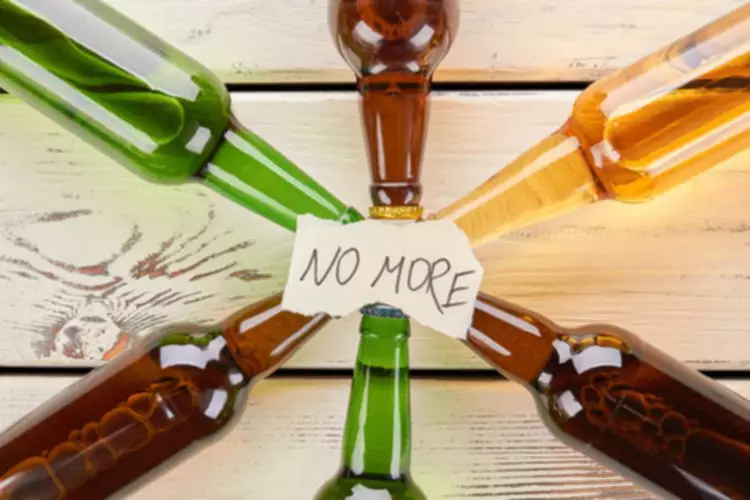
It involves managing your emotions and reactions in a healthy way without resorting to substance use. This includes developing coping strategies for stress, enhancing communication skills, and building a supportive network that encourages your journey. Being sober generally refers to the state of not being under the influence of drugs or alcohol. In recovery circles, sober typically means that a person has abstained from consuming any mind-altering substances for a significant period. Sobriety is often viewed as a long-term commitment to avoiding all forms of substance use.
Set Goals

Knowing when to say no, avoiding some events, not stepping inside liquor stores, or seeing a certain someone who might pressure you into using are skills an individual must master. staying sober meaning Practicing sobriety encompasses building a support network, engaging in therapy, counseling, practicing self-care, and addressing the underlying issues contributing to addictive behaviors. Self-care should also be a priority, as taking care of physical and mental health can contribute to overall well-being and resilience.
Practice mindfulness
Engaging in activities that promote physical, mental, and emotional well-being helps individuals build a strong foundation for maintaining sobriety. This might include regular exercise, practicing mindfulness or meditation, pursuing hobbies, and adopting healthy coping mechanisms such as journaling or therapy. By prioritizing self-care, individuals enhance their resilience, reduce stress, and cultivate a positive mindset, vital in sustaining sobriety. Various stages characterize the process of achieving and maintaining a drug addiction clean lifestyle. The initial step involves recognition and acceptance, where one acknowledges the issue and desires change.
Biological Challenges of Sobriety
Self-care is important for everyone, but it’s crucial when you’re trying to stay sober. That’s because staying sober requires consistent effort, something you’re better equipped to do when you’re feeling your best. For some, sobriety means complete abstinence from all substances, including alcohol, drugs, and sometimes even nicotine and caffeine. This strict definition is commonly upheld by groups like Alcoholics Anonymous (AA), where the focus is on total abstinence to avoid any potential triggers for relapse.
- While often used interchangeably, each carries distinct implications that extend beyond the mere absence of substance use.
- We do not receive any commission or fee that is dependent upon which treatment provider a caller chooses.
- Share this blog with someone who might benefit, and let’s spread the message that a sober Christmas is not only possible but incredibly rewarding.
- Research conducted by the National Institute of Drug Abusw ( NIDA ) Indicates a staggering 40-60% replase rate for drug and alcohol addiction.
- For many people with a substance use disorder, it’s simply a matter of never having learned the appropriate way to manage anger.
Our mission is to support anyone going through the complex process of quitting and recovery. This article delves into the true essence of sobriety, exploring its definition, the importance of maintaining sobriety, and whether it is a lifelong endeavor. By understanding what “sober” truly means, we can shed light on the journey to recovery and support those seeking a life free from addiction. For many people, staying sober opens up increased opportunities for career growth and advancement. With a clear mind and improved focus, individuals can excel in their professional lives and seize new opportunities. Recognizing that you may have a mental illness can be challenging.
What is Sobriety? Defining & Navigating Lifelong Commitment

Many people use the terms “sobriety” and “abstinence” interchangeably, but they are not the same. Along with its gain in popularity, there are many health benefits celebrities promote to stop drinking. They claim to have clearer skin, a healthy lifestyle, and weight management, which appeals to younger culture.
How Can I Achieve and Maintain Being Sober and Clean?
Begin with a free call to an addiction & behavioral health treatment advisor. The We Level Up Treatment Center Network delivers recovery programs that vary by each treatment facility. 2019 research in the Indian Journal of Psychological Medicine shows that many individuals in recovery experience cravings within the first six months of sobriety.
Spotlight on Design for Recovery Sober Living in Los Angeles
Finding ways to take care of yourself is essential, but it might not be something you’re used to doing every day. Sobriety is a constant journey of change, which can feel overwhelming at times. Addiction can fundamentally affect your brain chemistry and perceptions, and being sober prompts a “rewiring” of many of these neural pathways. Sobriety is a time of change – mentally, physically, and even spiritually.

What Does It Mean to Celebrate Sobriety?
Stopping drinking is only the first part of an alcoholic’s problem. While unfortunate, relapse is a possibility for anyone attempting a sober life. The three pillars of sobriety include education, support, and treatment. Drinking non-alcoholic beer can not only break sobriety, but it can also open an individual up to other dangers such as peer pressure and cravings.